Which is more important sugar or our wider food system?
Helen Tandy, Director, Eco Communities
I campaigned tirelessly over many years as Friends of the Earth for a ban on the use of Neonicotinoids. You could often find me dressed as a bee asking people to sign up residents to ask the government to bring in the ban. The ban was put in place in 2018 (I still wore the bee suit though) But we have a big BUT….
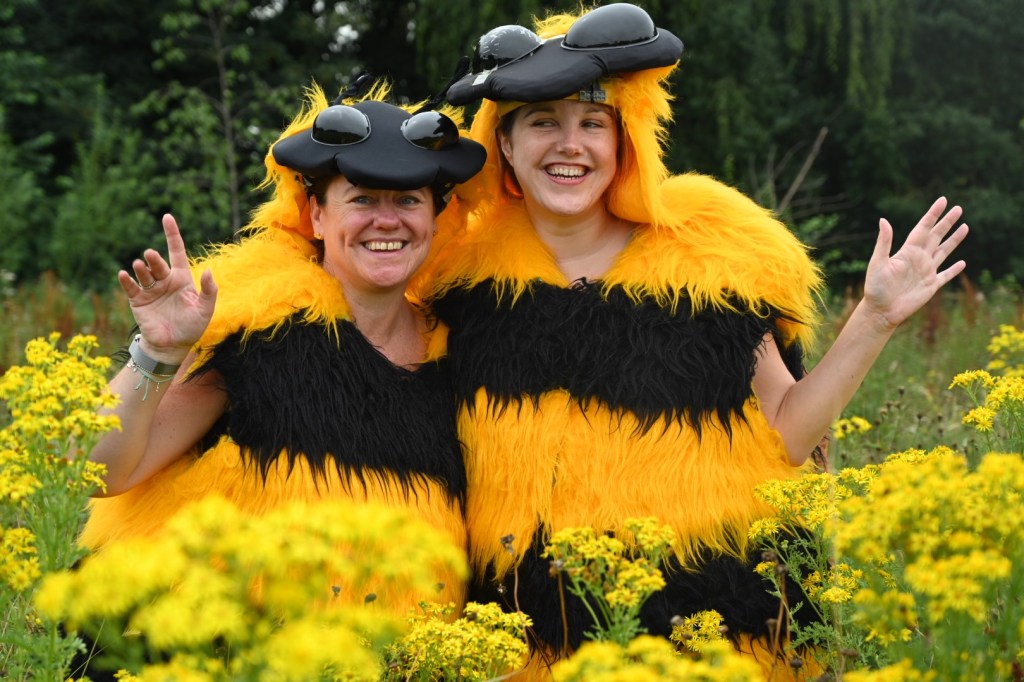
Why is there always a but…?
Since the ban, the government has allowed the use again in January for the fourth year running under emergency authorisations.
As ever in the UK we just put out fire after fire, we never look to see how the fire could be prevented.
Our Social Media Manager, Angharad Armson an enthusiastic beekeeper provided information on the plight of our bees to our Chester MP last month. Samantha Dixon led a Westminster Hall Debate on the Environmental impact of neonicotinoids and other pesticides following the approval of it’s use.
Do watch this – Parliamentlive.tv – Westminster Hall
Angharad was mentioned in the Parliament debate including this information. “Bees and other pollinators have for many years been facing an increasingly difficult task with changing agricultural practice. The Expert Committee on Pesticides stated in their report “There is new evidence regarding the risk from neonicotinoids globally which adds to the weight of evidence of adverse impact on honeybee behaviour and demonstrated negative impacts on bee colonies.”
British Sugar is the company that recently asked the UK Government to lift the ban to use neonics. on sugar beet crops. British Sugar is the sole buyer and processor of UK-grown sugar, but currently the company provides no way for beet farmers who choose not to use neonics, to market their sugar as neonic-free. And as consumers, we also have no way of knowing if the sugar we buy is affected.

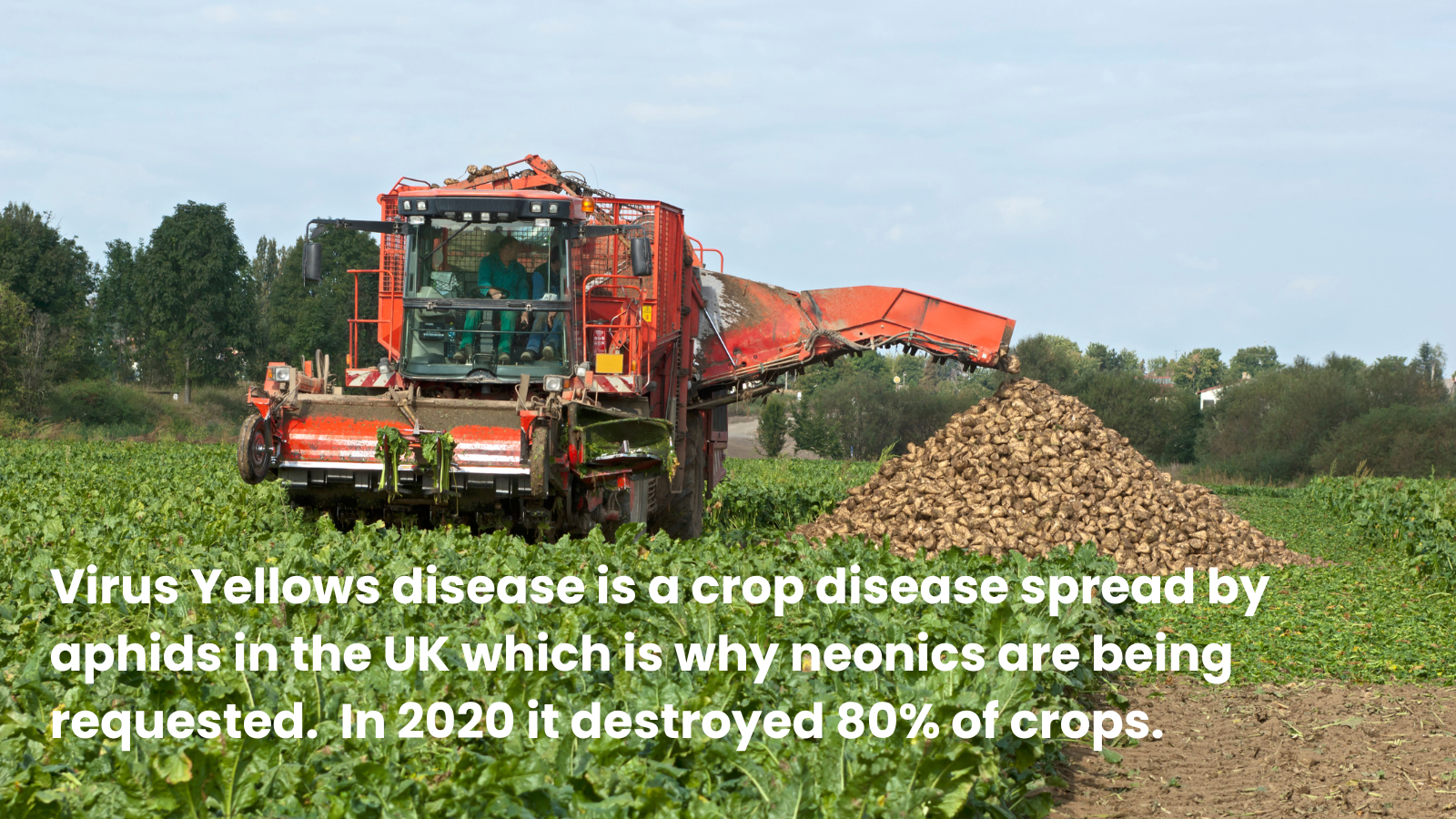
Please sign The Wildlife Trusts Petition to ask British Sugar to help more farmers go neonic-free.
Read more from The Wildlife Trusts here – Say No to Neonics | The Wildlife Trusts
From listening to the debate, I felt it was important to remind ourselves that this issue isn’t just about protecting honeybees and beekeepers but our fruit and vegetables.
Which is more important UK sugar or our wider food crops?
It is generally solitary bees such as mason bees and leafcutter bees, which are critical to growing food and flowers. Nearly 35% of the food the world depends on requires animal pollinators, like bees to reproduce. But bees not only pollinate our food, but they also help plants and trees grow which is vital to clean, breathable air. Unfortunately, bees are under attack from pesticides and climate change. Last year, beekeepers reported that 45% of their hives died. If bee colonies continue to collapse, what kind of world would that leave?
It is so important we say no to the use of these pesticides.
Would we starve without bees?
“I don’t see how we can be in the 4th year of an emergency” – well said I say. I do not know which MP it was that said that, but I also agree.
Image below from this BBC webpage Would we starve without bees? – BBC Teach

 Sustainable Cheshire