Recycling is vital to a circular economy. It keeps materials like plastics, paper, metal and glass in use for longer, reducing the need for virgin resources, saving money, and cutting carbon emissions.
But recycling is only part of the solution. Understanding what can be recycled locally, its limitations, and how we can all do better is key.
What can be recycled at the kerbside?
In Cheshire West & Chester, most homes have a simple multi-container system.
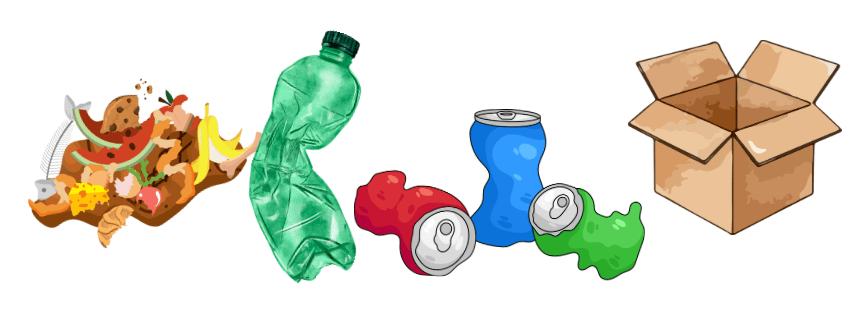
🟤 Food waste (brown bin)
All food waste including meat, dairy, fruit, veg, leftovers, tea bags 👉 Food waste recycling is essential to reduce methane emissions and recover energy/nutrients
🔵 Paper & card (blue bin / green box)
Paper, cardboard, cartons, envelopes, shredded paper 👉 Flatten cardboard to maximise space
🔴 Mixed recycling (red bin / grey box)
Plastic bottles, pots, tubs and trays Glass bottles and jars Metal cans, tins, foil, aerosols 👉 Materials are sorted and reprocessed into new products
⚫ General waste (black bin)
Non-recyclable items such as polystyrene, contaminated packaging and some plastics
🔋 Extra items collected at kerbside
Batteries Small electricals Mobile phones Printer cartridges 👉 These must be placed separately for safe recycling.
What can’t go in kerbside recycling?
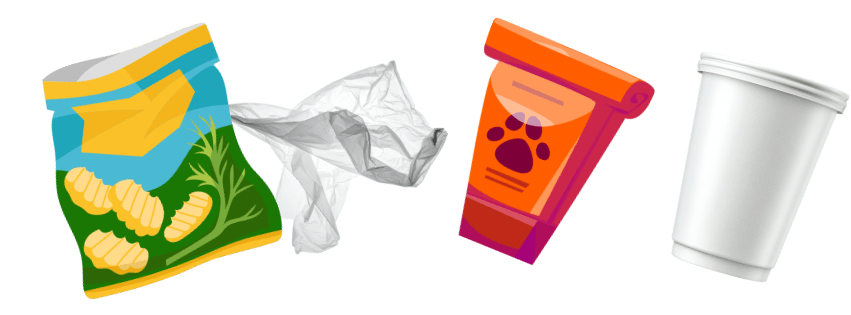
Some common items are not accepted:
Plastic bags, film Polystyrene, crisp and sweet packets (flexible plastic) hard plastics (toys, sockets) Compostable packaging Glass like Pyrex or drinking glasses.
These either damage sorting systems or lack viable recycling markets.
What about harder-to-recycle items?
Some items require specialist schemes, not kerbside bins:
Blister packs (medicine & packaging)
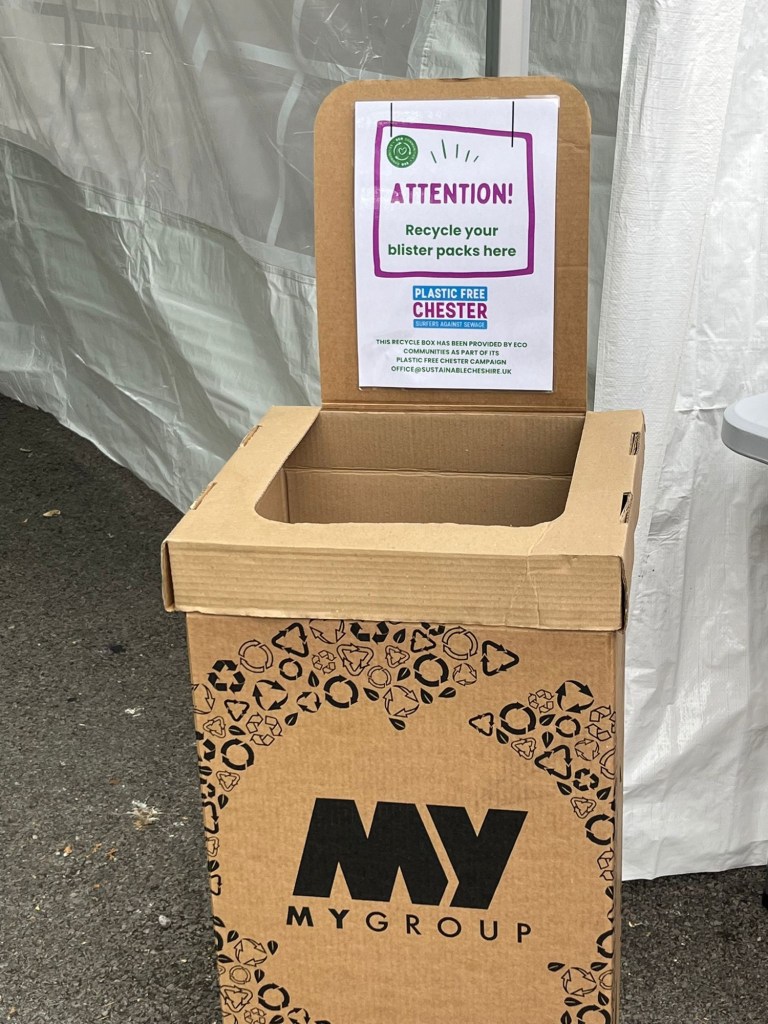
Made from mixed materials (plastic + foil) Usually not recyclable in kerbside collections Often collected via pharmacy or specialist schemes. Boots have a scheme and Eco Communities offer collection at our Green Hubs.
Contact lenses & cases
Not suitable for kerbside recycling Can often be recycled via opticians or manufacturer take-back schemes Small size and mixed materials make them difficult for standard sorting systems (they can be lost or contaminate recycling streams) Check your local opticians.
👉 These examples highlight a key issue: design for recyclability is still poor
Why recycling matters (and its limits)
✅ Highly recyclable materials
Glass: infinitely recyclable without quality loss Metals (aluminium & steel): recycled repeatedly with major energy savings Paper & card: widely recycled (though fibres degrade over time)
⚠️ Plastics: the challenge
Only certain plastics (e.g. bottles, tubs) are widely recycled Many plastics are downcycled into lower-value products UK systems still struggle with: mixed plastics contamination low demand for recycled content
👉 Even when collected, plastic is not always turned back into packaging
Why we must reduce plastic use
Plastic recycling is limited and inefficient Many items cannot be recycled at all Plastic pollution harms ecosystems Fossil fuels are required to produce virgin plastic
👉 Recycling alone cannot solve the plastic problem — reduction is essential
The importance of reducing food waste
Food waste should be a priority because:
It creates methane if landfilled It wastes energy, water and resources used in production It can be turned into energy or compost when collected separately
👉 Reducing food waste is more impactful than recycling packaging
Street bins and “on-the-go” waste
Most street litter bins:
Do not separate recycling effectively Contain contaminated mixed waste Are typically sent to Energy from Waste (EfW)
While EfW recovers energy, it:
Destroys materials Does not support circularity
👉 True circular systems require clean, separated recycling
What residents can do
Recycle correctly (clean, dry, right bin) Reduce contamination Use food waste collections Avoid single-use plastics Use supermarket and specialist recycling points Choose reusable and refillable options
What businesses can do
Design packaging for recyclability (single materials, no laminates) Increase recycled content in products Offer take-back schemes (e.g. blister packs, lenses) Reduce unnecessary packaging Support refill and reuse systems Educate customers on correct disposal
Moving beyond recycling
Recycling is essential, but it is only one part of the solution.
A circular economy requires:
Reduce waste at source Reuse materials wherever possible Recycle what remains
👉 The goal is not just better recycling, but less waste overall
 Sustainable Cheshire by Eco Communities